

Hire qualities can be considered a lucrative company, but the economic side involves careful management, especially when it comes to revenue and reduction reports. These studies are a key instrument to gauge your hire money, expenses, and overall profitability. But, also experienced landlords sometimes produce problems that can lead to economic challenges or incorrect insights to their profit and loss for rental property performance. Listed here is a review of some common mistakes to avoid.

1. Underestimating Preservation Charges
Many hire property homeowners overlook to account for ongoing maintenance in their revenue and reduction reports. Repairs and schedule upkeep, such as for instance HVAC maintenance, pest get a handle on, or plumbing repairs, are regular expenses. Failing continually to spend funds for such prices can develop an erroneous representation of one's profitability. Professionals frequently recommend setting away 1% of the property's annual price for maintenance costs.
2. Ignoring Vacancy Intervals
Vacancies are expected but frequently ignored in revenue and reduction calculations. Whether it's a tenant turnover period or industry downturn, these holes mean zero hire income while costs like mortgage payments, tools, or home fees stay constant. Including an estimated vacancy charge in your reporting offers a more practical financial outlook.
3. Misclassification of Costs
Exact categorization of expenses is crucial. Mixing personal costs with property-related prices on the record is a frequent error landlords make. For instance, grouping electricity charges for particular home alongside hire house utilities distorts expense tracking and complicates tax deductions. Maintaining split records for business-related transactions is a good practice.
4. Neglecting Depreciation
Depreciation is just a substantial part of property possession, and overlooking it can result in underreporting expenses. Many landlords forget to estimate depreciation on the house it self or its furnishings and appliances. That is not only essential for understanding your long-term prices but also important for leveraging tax benefits.
5. Overlooking Smaller Expenses
It's frequent to miss smaller expenses like advertising prices, turnover cleaning, or home inspections. These minor fees can mount up over time, skewing your perception of net income. Maintaining detail by detail documents of all expenses guarantees reliability and shows a complete image of your economic health.
6. Not Frequently Upgrading Reports
Failing woefully to consistently update profit and loss studies is yet another major pitfall. Real estate markets, hire income, and costs change frequently. Periodic upgrades not only give a definite understanding of recent financial rankings but also prepare you for tax seasons and aid in pinpointing trends.
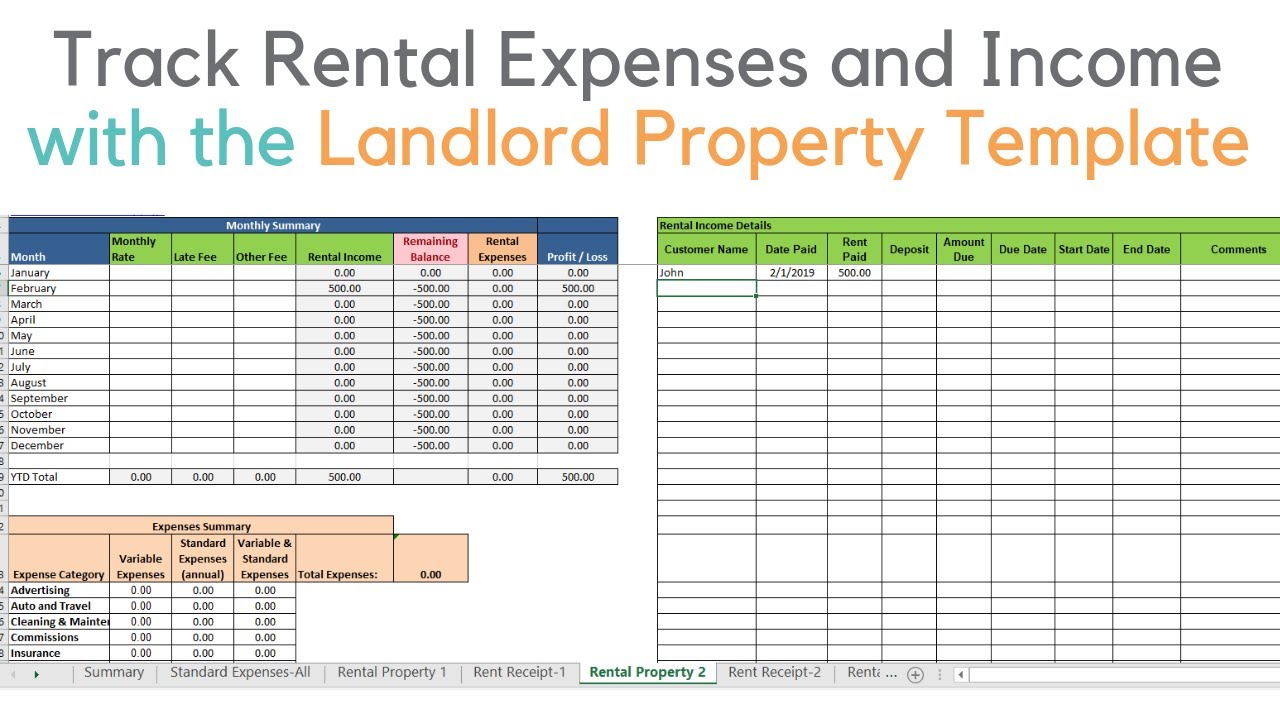
By preventing these common problems, you can make fully sure your hire property gain and reduction reports are exact, reliable, and a real reflection of how well your investment is performing. Taking a proactive method of financial administration not just assists in decision-making but also models the foundation for long-term success. Always double-check your articles, and when in uncertainty, consult with a professional to maximise the possible of one's investment.